
Presentations
Latest posters and presentations from Move Analytical
PAGE 1 OF 3
 POSTER
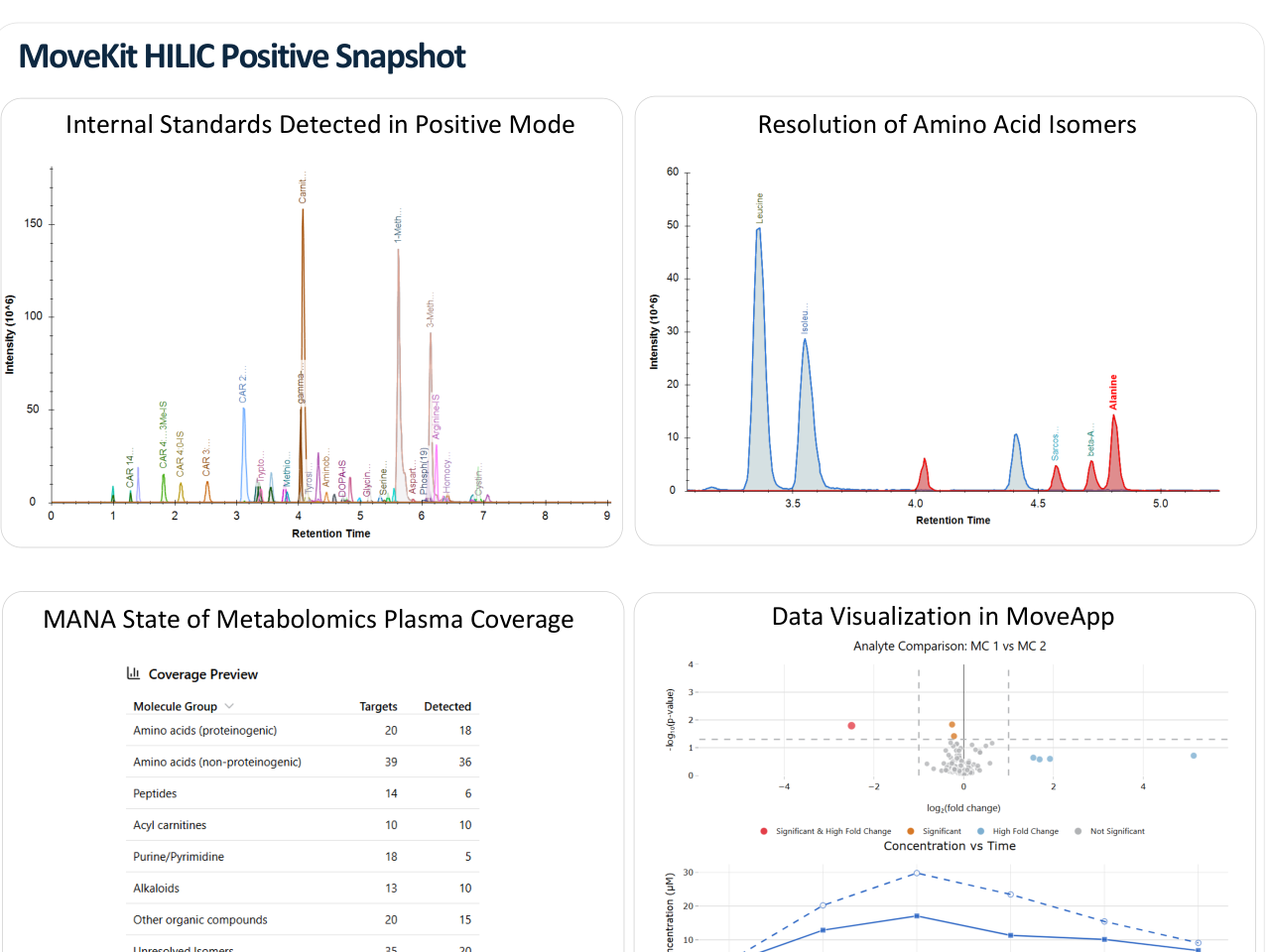
 MANA 2026: Development of a Software-Defined Workflow using HILIC-HRMS with Targeted Quantitation of a Broad Panel of Polar Metabolites
A prototype MoveKit HILIC workflow extends the software-defined approach proven with MoveKit CE and MoveKit BA to a broad polar metabolite panel, targeting roughly 500 compounds with automated peak assignment and quantitation.
 POSTER
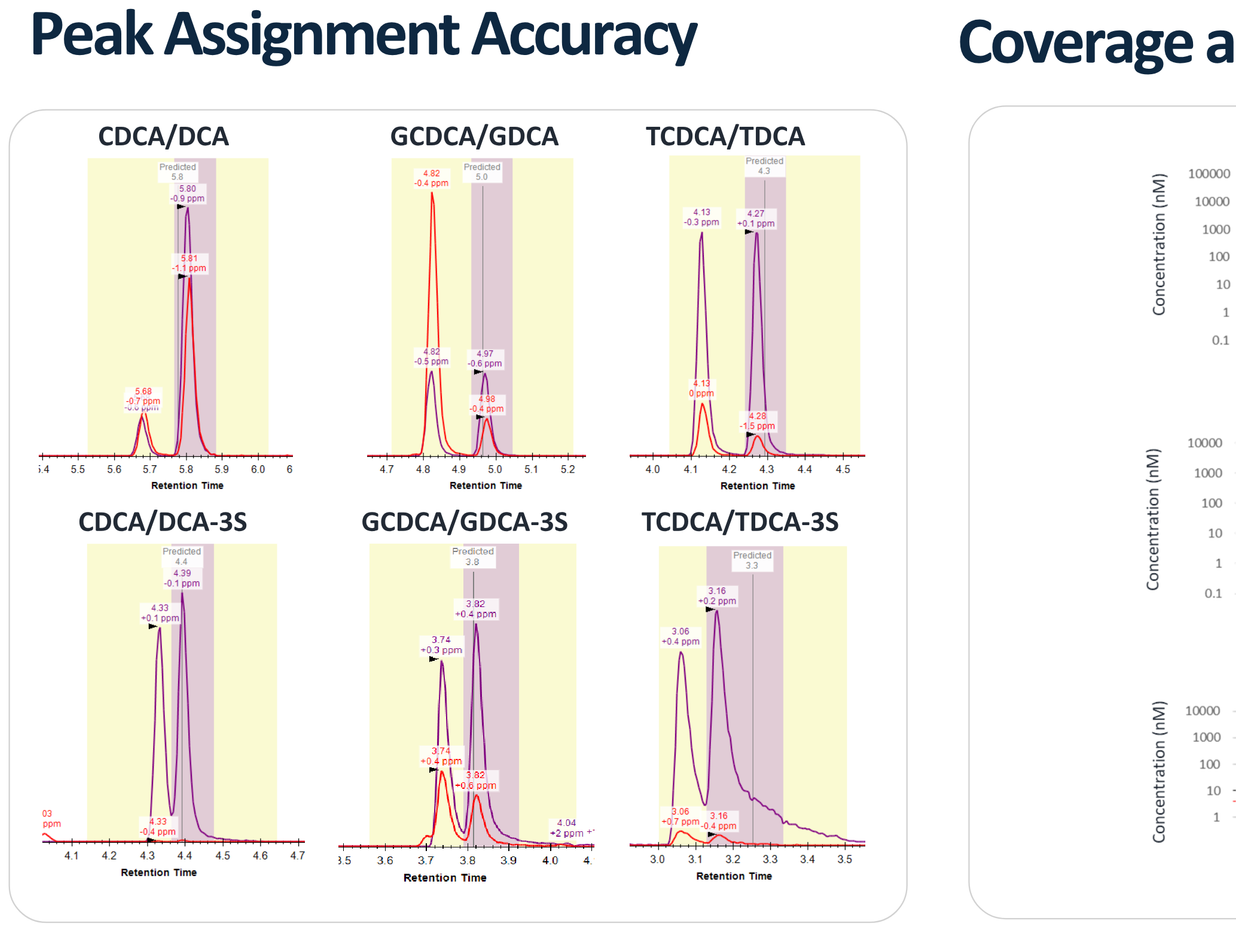
 MANA 2026: Interlaboratory Reproducibility of a Hybrid Quantitative/Discovery Assay for Bile Acids with Coverage for Hundreds of Molecules
An Early Adopter Program assessed interlaboratory reproducibility of MoveKit™ BA across 6 laboratories and 7 Orbitrap and Stellar MS platforms, covering 183 bile acid compounds with automated peak assignment, QC, and reporting in under 30 minutes per plate.
 POSTER
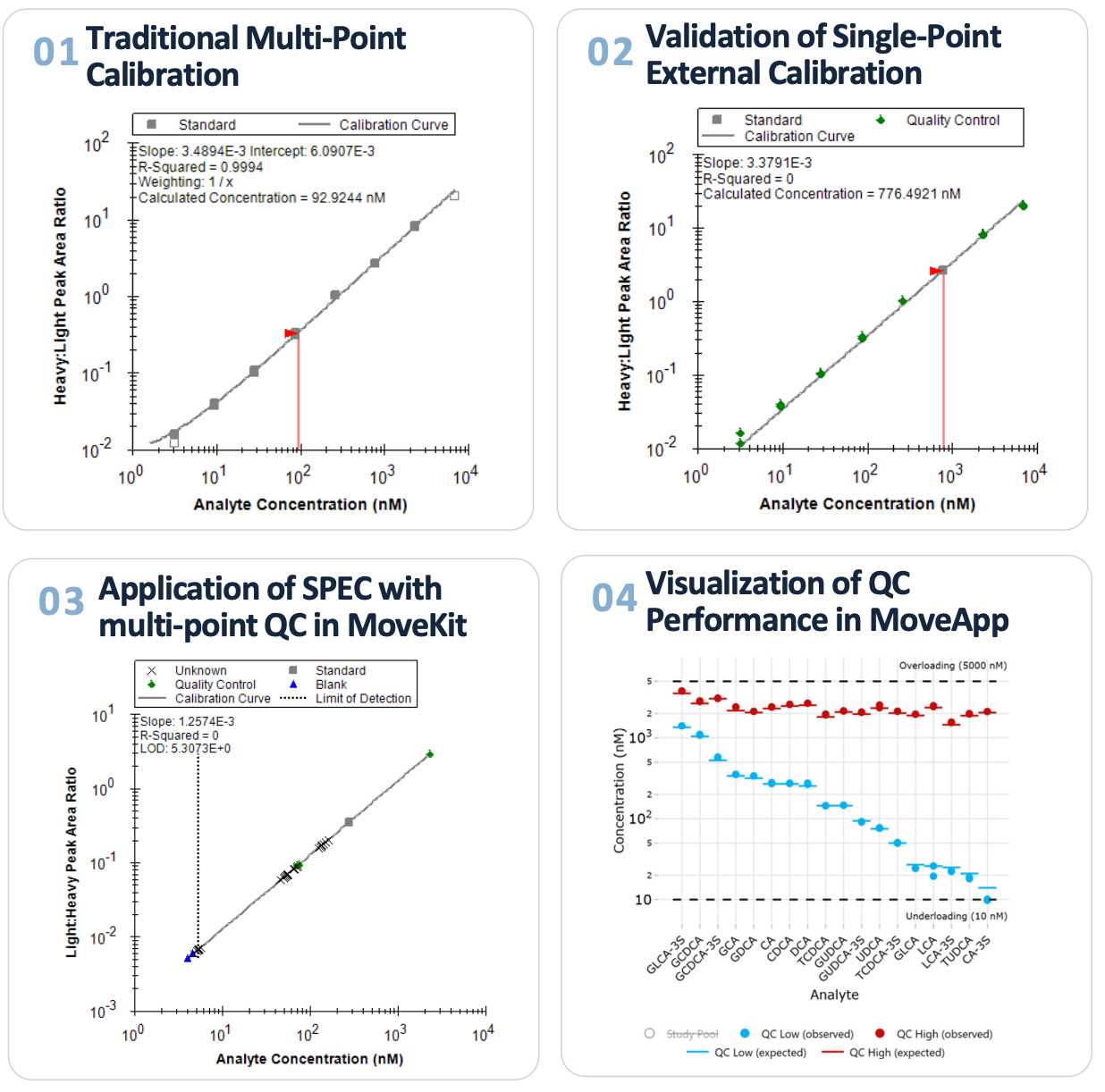
 Having your cake and eating it, too: A novel quantitative LC-HRAM bile acids workflow incorporating robust quantitative and discovery capabilities
We combine the best practices of a gold-standard quantitative bile acids liquid chromatography-mass spectrometry (LC-MS) assay with nontargeted high-resolution accurate mass (HRAM) data collection. Using this approach, the goal was to create a highly simplified kit and software workflow that can be easily implemented for absolute bile acids quantification across laboratories, while remaining flexible enough for unique discoveries to be obtained from the LC-MS/MS data.
 POSTER
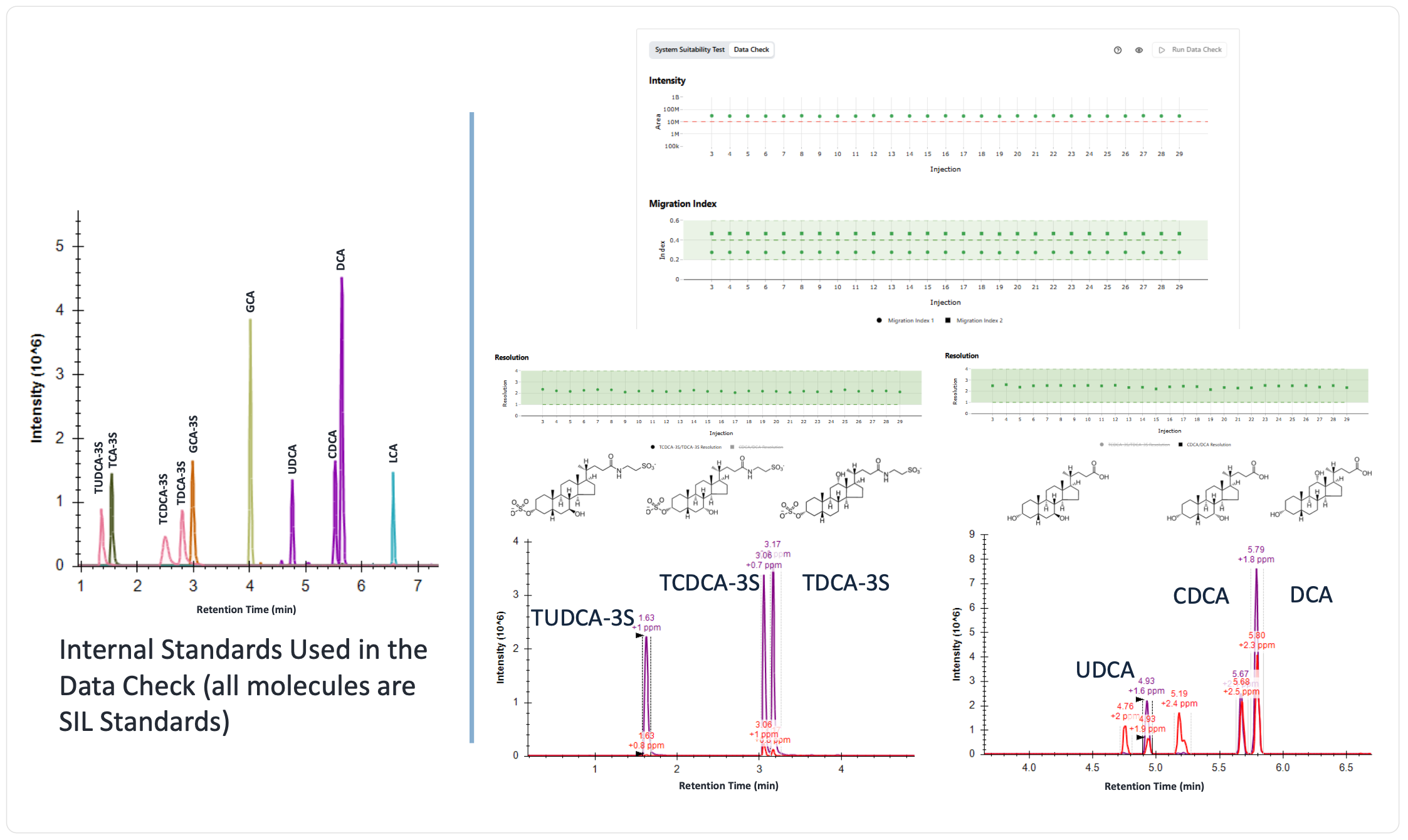
 ASMS 2026: Incorporating Unlabeled and Stable Isotope-Labeled Bile Acid Mixtures to Automate Quantitative and Quality Control Phases of HRMS Metabolomics
We combine best practices from gold-standard quantitative LC-MS bile acid assays with high-resolution accurate-mass (HRAM) data acquisition to create a kit-based, software-driven workflow for absolute bile acid quantification that is robust, and transferable.
 POSTER
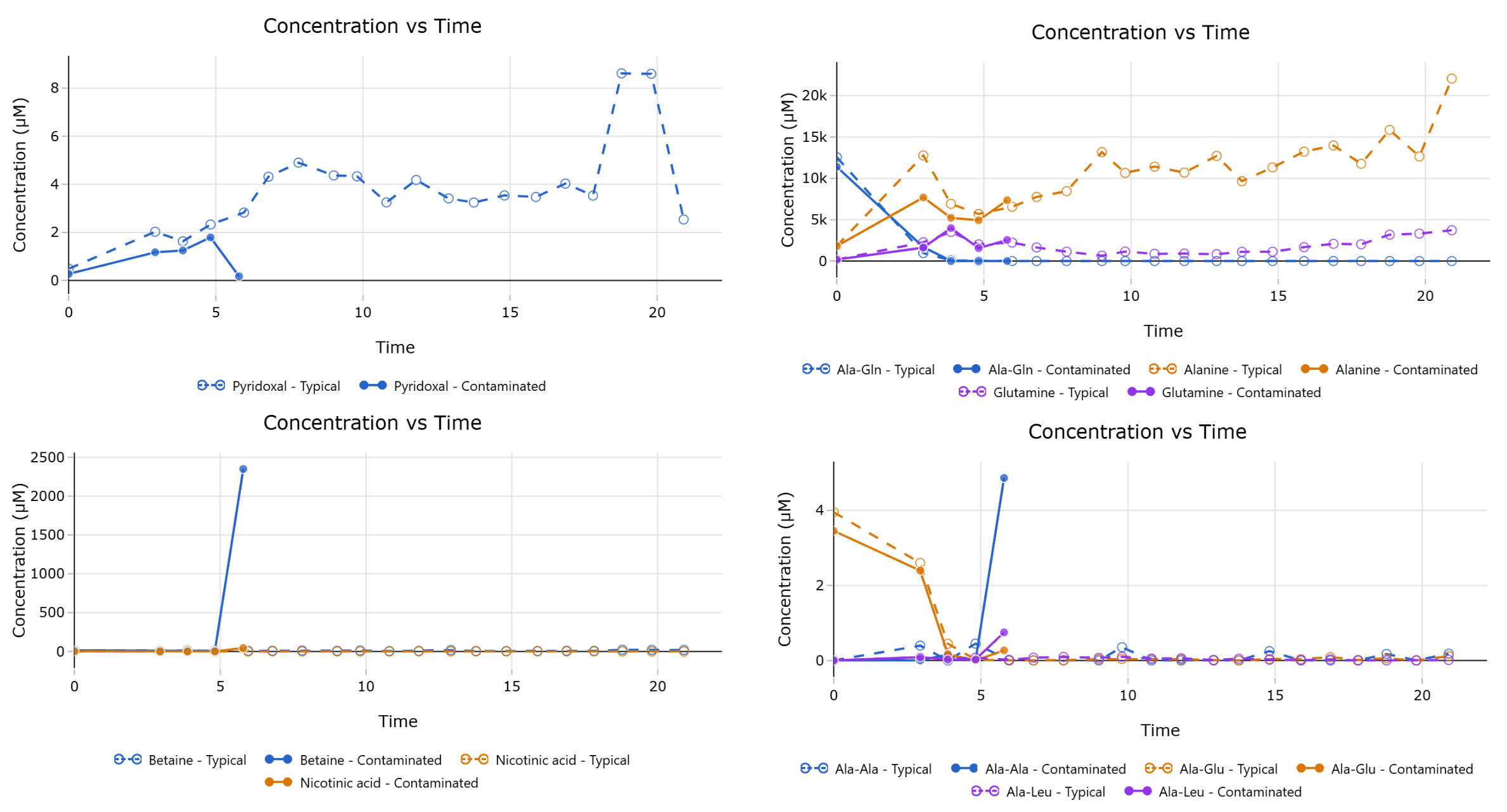
 ASMS 2026: Integrated metabolomics and proteomics for rapid, deep characterization of a contaminated perfusion bioreactor
We apply an integrated metabolomics and proteomics workflow to compare cell culture media from perfusion bioreactors, one of which failed after 6 days. This unique dataset enables investigation of early metabolomics and proteomic changes associated with the failure, with the goal of identifying actionable indicators for earlier detection and potential intervention strategies.
 POSTER
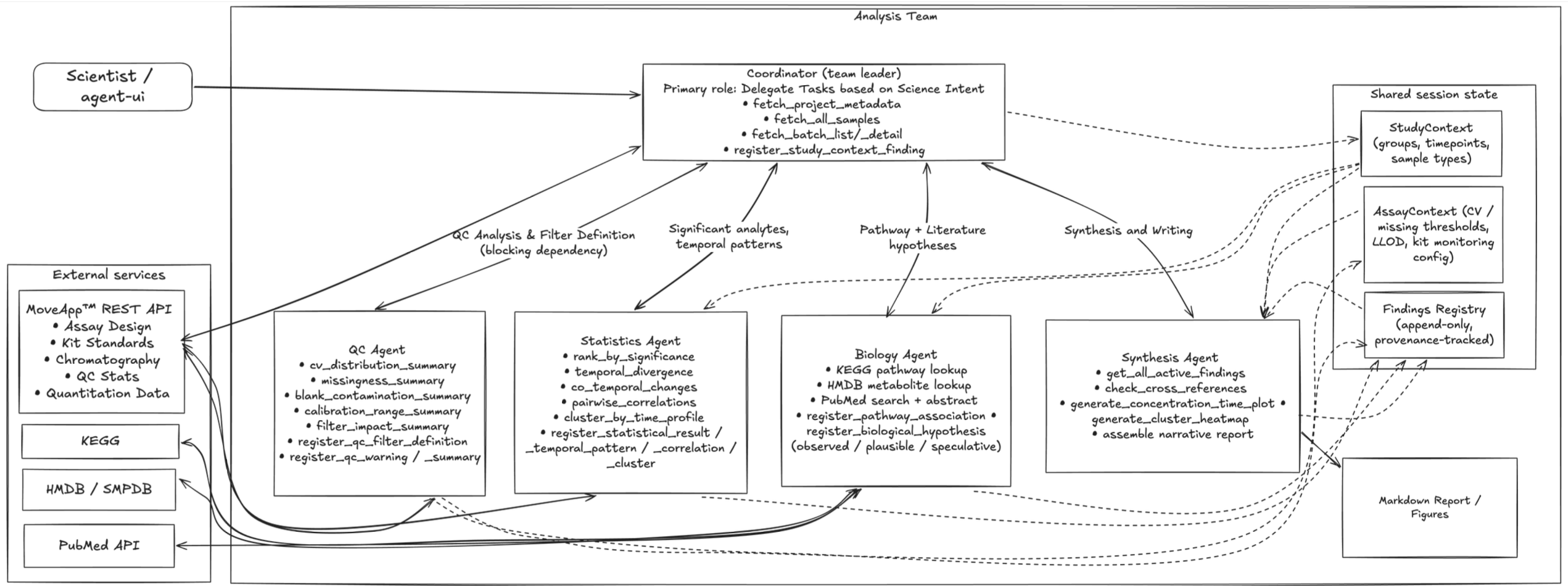
 ASMS 2026: Context is Key: Using multi-agent AI teams to bridge the translational gap in metabolomics
Three design principles emerged from session trace analysis and iterative development as critical for effective agent performance across projects. Our prototype agent team successfully identified biomarkers that were differentially expressed in a bioreactor that failed vs. one that did not.